
Mexico in Nayarit: Traditions, History & Culture That Remain Alive
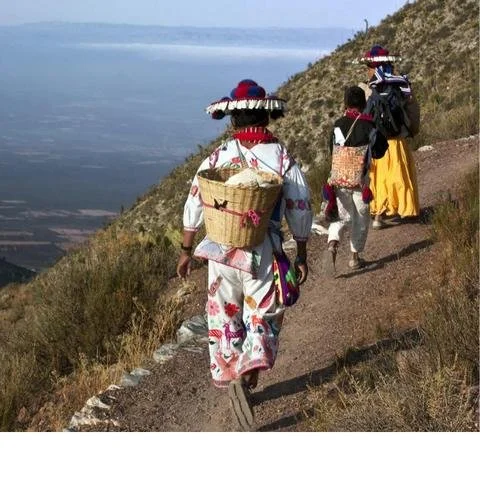
When we think of Riviera Nayarit, images of beautiful beaches, lush landscapes, and the Pacific Ocean often come to mind. But this extraordinary region is also home to a rich cultural identity shaped by centuries of history and traditions.
From Indigenous communities that have inhabited these lands for generations to celebrations that continue to bring families and communities together today, Nayarit offers a fascinating opportunity to experience a deeper side of Mexico.
Its traditions can be found in its music, dances, cuisine, crafts, celebrations, and, above all, in the relationship its communities maintain with the land and the sea.
MX A History That Began Long Before Riviera Nayarit
Long before Nayarit became one of Mexico's most recognized destinations, the region was home to diverse Indigenous cultures.
Among them are the Wixárika people, whose traditions, art, and spiritual connection to nature continue to have an important presence in the region.
Wixárika art is particularly recognizable for its vibrant colors and intricate designs. These creations are much more than decorative pieces. Their symbols often represent stories, elements of nature, spirituality and important aspects of their worldview.
Today, Indigenous traditions remain an essential part of Nayarit's cultural identity, demonstrating that history is not simply something belonging to the past it continues to evolve and live on through new generations.
Corn: Much More Than a Food
To understand Mexican culture, it is impossible to overlook corn.
For thousands of years, corn has been one of the foundations of Mexican cuisine and community life. Its importance, however, goes far beyond food.
Corn has played a role in myths, ceremonies, agriculture, and traditions throughout Mexico. It is also the foundation of some of the country's most iconic foods, including tortillas, tamales, and countless regional dishes.
In Nayarit, this connection to the land remains visible in rural communities and traditional cuisine.
So, when we enjoy a handmade tortilla or a dish prepared with local ingredients, we are experiencing a tradition with roots that go back thousands of years.
Traditional Music & Dance in Nayarit
Music and dance offer another way to keep history alive.
Across different communities in Nayarit, traditional expressions bring together music, clothing, movement, and symbolism.
One of the region's notable folkloric expressions is the Jarabe Nayarita, a traditional dance that forms part of the cultural heritage of the state.
Traditional dances are not simply performances. They often tell stories, preserve customs, and represent ways of understanding the world that have been passed from one generation to the next.
Music also plays an important role in family celebrations, community festivals, and special occasions, creating a connection between generations.
The Meaning Behind Mexican Celebrations
Mexico is famous around the world for its colorful celebrations, but behind every tradition there is a story.
Día de Muertos (Day of the Dead), for example, represents a deeply Mexican way of remembering and honoring loved ones who have passed away. Marigold flowers, candles, photographs, food, and altars are all part of a tradition that combines Indigenous and European influences.
Other celebrations, including patron-saint festivals, Christmas posadas, and regional festivities, reflect the many cultural influences that have shaped modern Mexico.
In Nayarit, these celebrations often have a strong community spirit. Town squares, streets, and public spaces become gathering places where families and neighbors come together to celebrate.
Traditions That Continue to Evolve
One of the most fascinating aspects of Mexican culture is its ability to evolve while maintaining its roots.
New generations continue traditions inherited from their families while also finding new ways to express them in a modern world.
This can be seen in the region's cuisine, art, music, and celebrations, where traditional and contemporary influences naturally coexist.
It is this combination that makes traveling through Riviera Nayarit more than simply a vacation it can become a cultural experience.
A Culture Deeply Connected to Nature
In Nayarit, the relationship between culture and nature is particularly evident.
The Pacific Ocean, mountains, rivers, forests, and agricultural lands have influenced how communities have lived, worked, and celebrated for generations.
From Indigenous traditions to fishing and farming communities, nature is not simply the backdrop. It is part of the region's identity.
This connection is also one of the qualities that makes Riviera Nayarit such a distinctive destination.
Discovering Mexico Beyond the Landscape
For those visiting Riviera Nayarit, discovering the local culture can completely transform the experience.
Behind a handmade piece of art, there is a story.
Behind a traditional dance, there is a history.
Behind a local dish, there is a connection to the land.
And behind every celebration, there is a community.
Understanding these stories allows us to see Nayarit from a different perspective, not simply as a destination of beaches and beautiful landscapes, but as a place where history, culture, and traditions remain an important part of everyday life.
The next time you visit Riviera Nayarit, take some time to look beyond the beaches.
Explore its communities, discover its art, taste traditional flavors, and learn the stories behind its celebrations.
Because truly discovering a destination means discovering the people, traditions, and history that give it its identity.
Riviera Nayarit offers more than places to visit it offers stories waiting to be discovered.
